



Soft tissue and bone are not two specialties. They are two halves of the same surgical conversation—and the clinicians who master both don't just do better surgery, they do different surgery.
GRAFT pairs Dr. Carcuac’s four soft tissue modifications with Dr. Mohamed’s four bone augmentation domains because the cases that defeat most surgical dentists require both frameworks operating in concert. A ridge reconstructed without a soft tissue plan will dehisce. A soft tissue graft placed over an inadequate bony foundation will recede. The cases you’re avoiding right now are almost always cases that need integrated thinking—and integrated execution.
Download a Detailed Course OverviewManaging soft-tissue deficiencies in challenging anatomical situations requires more than simply refining existing procedures. It requires rethinking each surgical step with one central objective: improving clinical outcomes while reducing patient morbidity. This session will present an innovative, biologically driven approach to mucogingival surgery by exploring how modifications in harvesting, recipient-site preparation, graft design, and suturing can expand treatment possibilities in complex soft-tissue conditions.
The lecture will be structured around four key strategies for reducing morbidity and improving surgical efficiency:
First, we will discuss how modifying the harvesting technique, through approaches such as de-epithelialized free gingival grafts and the Harvesting Oblique Tuberosity technique, can optimize graft quality, reduce donor-site burden, and improve reproducibility.
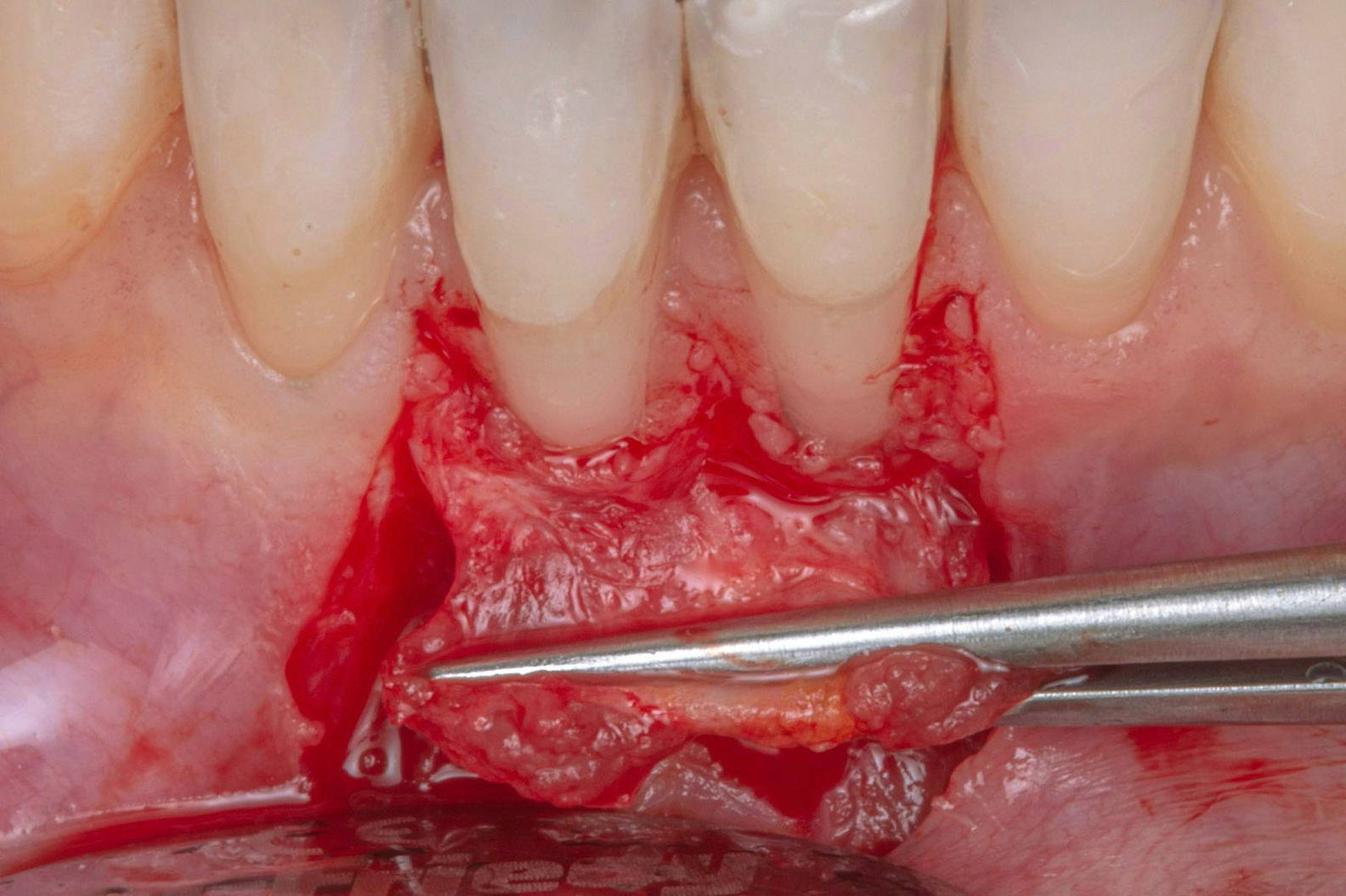
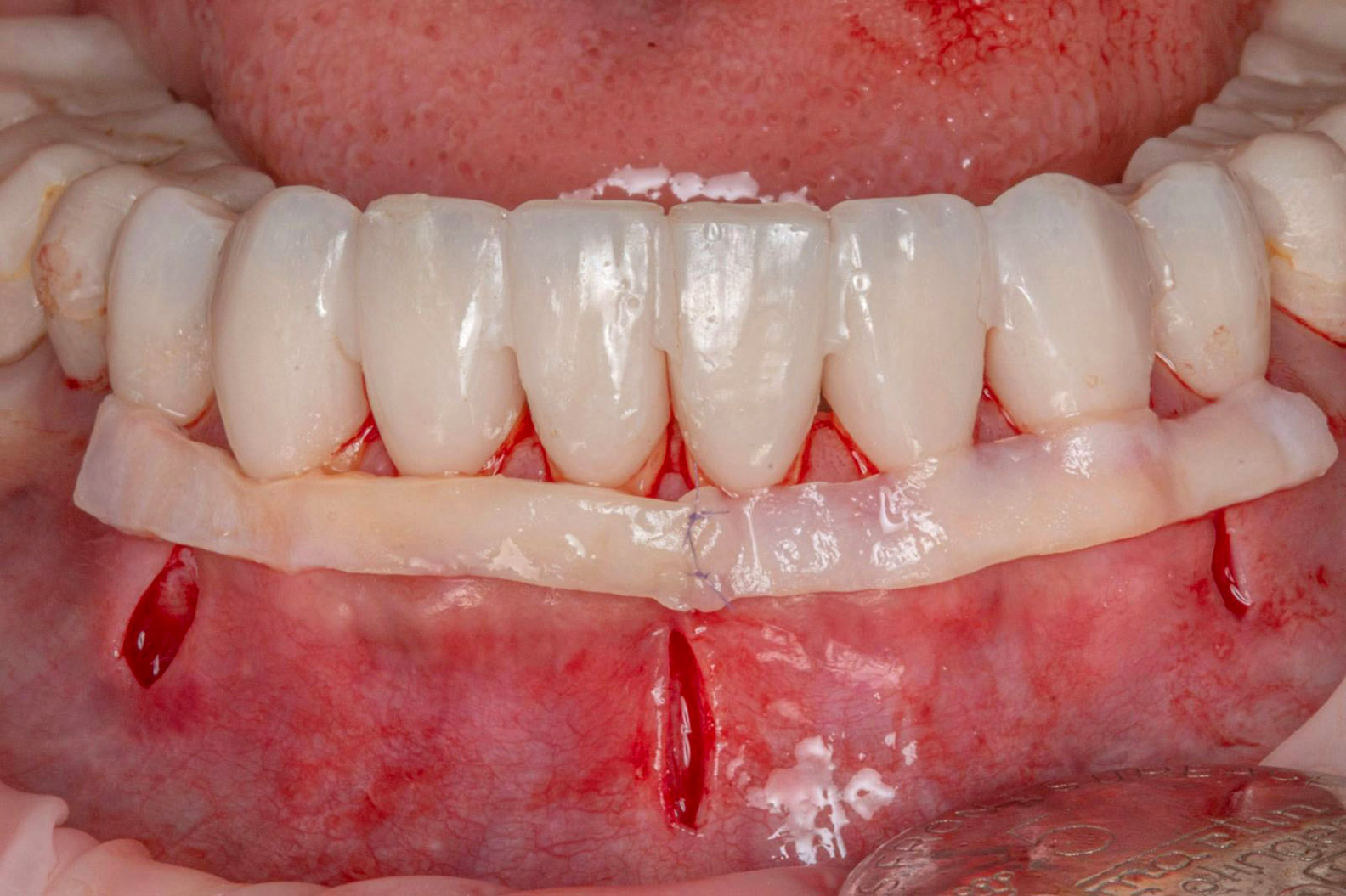
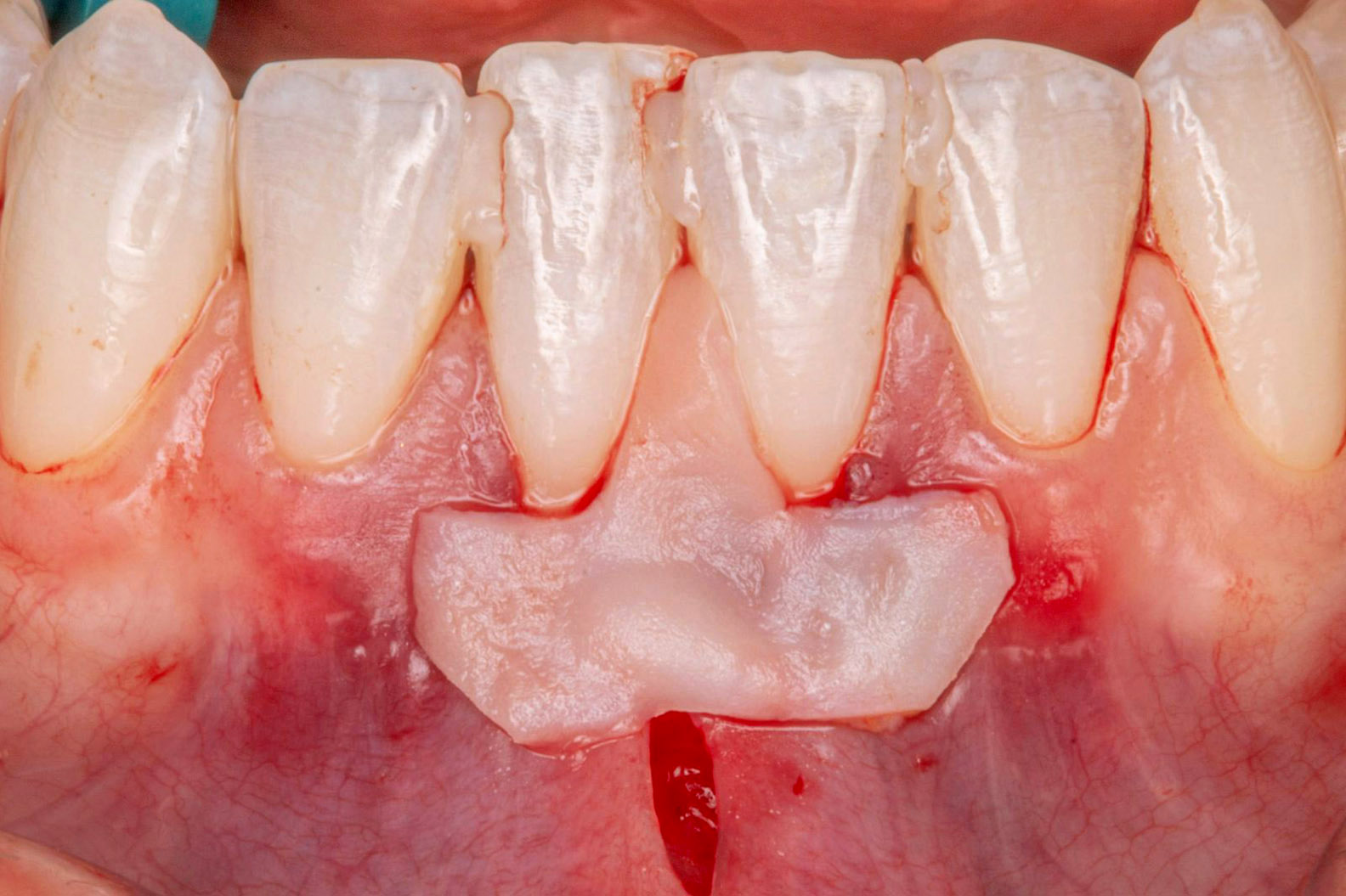
Second, we will explore how modifying the recipient site, including themodified free gingival graft technique for mandibular incisor recessions, canhelp overcome limitations in anatomically demanding areas.
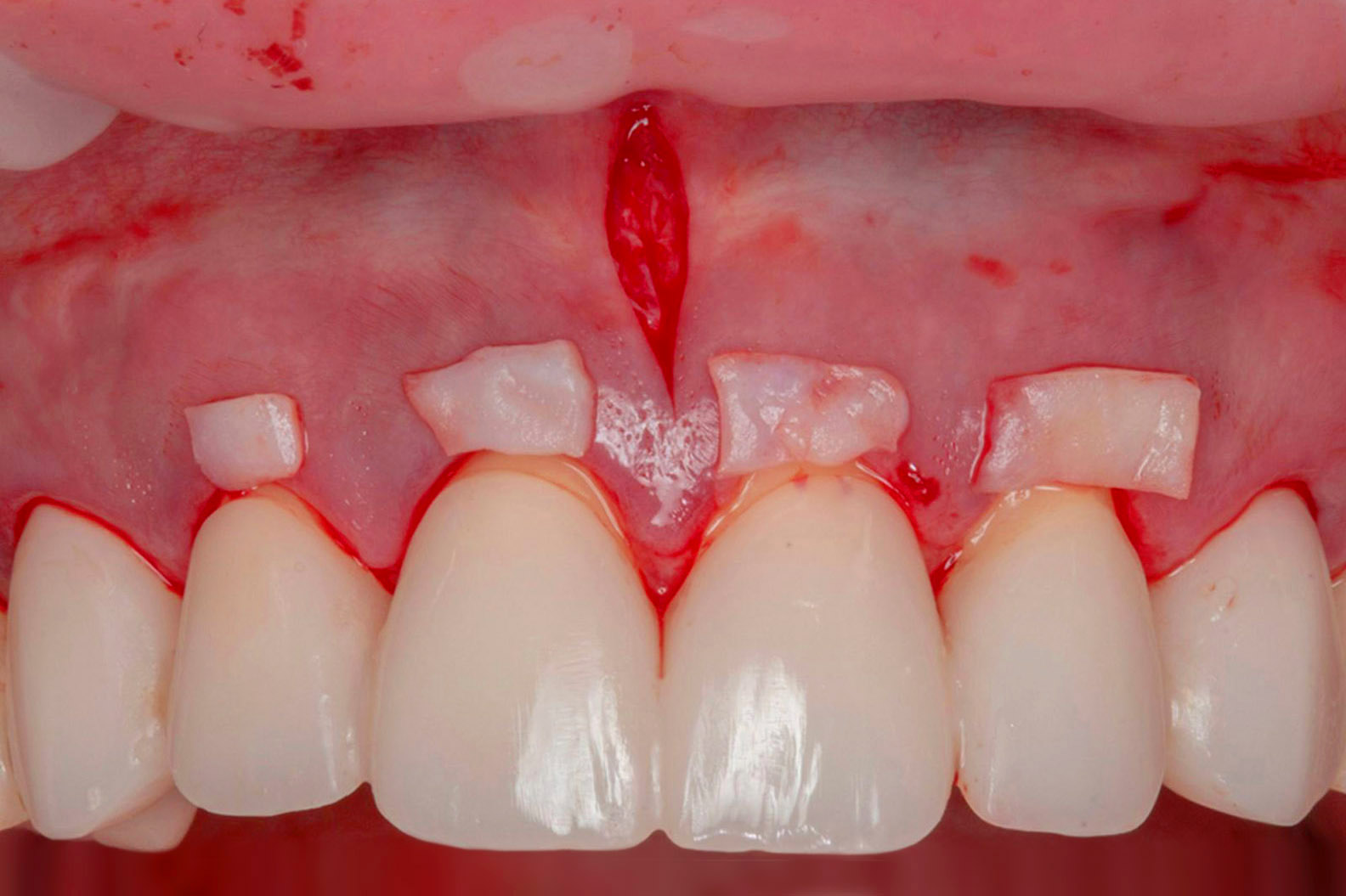
Third, the session will examine how modifying the graft itself cancreate new clinical opportunities. Techniques such as the mesh-free gingivalgraft, slit free gingival graft, and micro-connective tissue grafts will bepresented as examples of graft-efficient strategies designed to improveadaptation, increase coverage, and reduce the amount of donor tissue required.
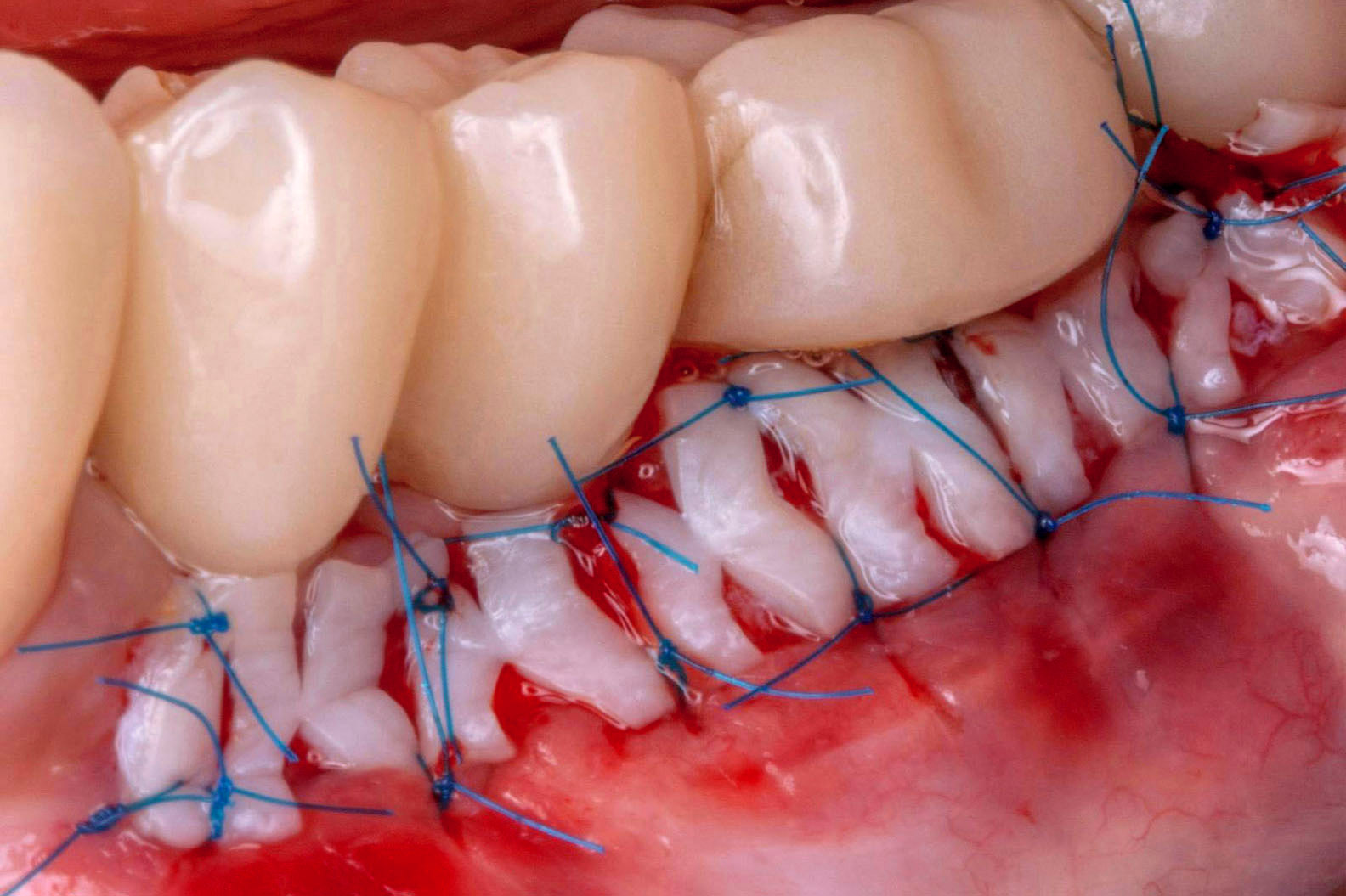
Fourth, we will introduce the Fishnet Suture, a novel microsuturing concept developed to enhance graft immobilization, tension distribution, and vascular integration.
Finally, the lecture will introduce the concept of crown shortening as an example of thinking beyond conventional surgical solutions. By applying sound biological principles and perio-prosthetic reasoning, this concept illustrates how complex clinical situations can be approached creatively and predictably.
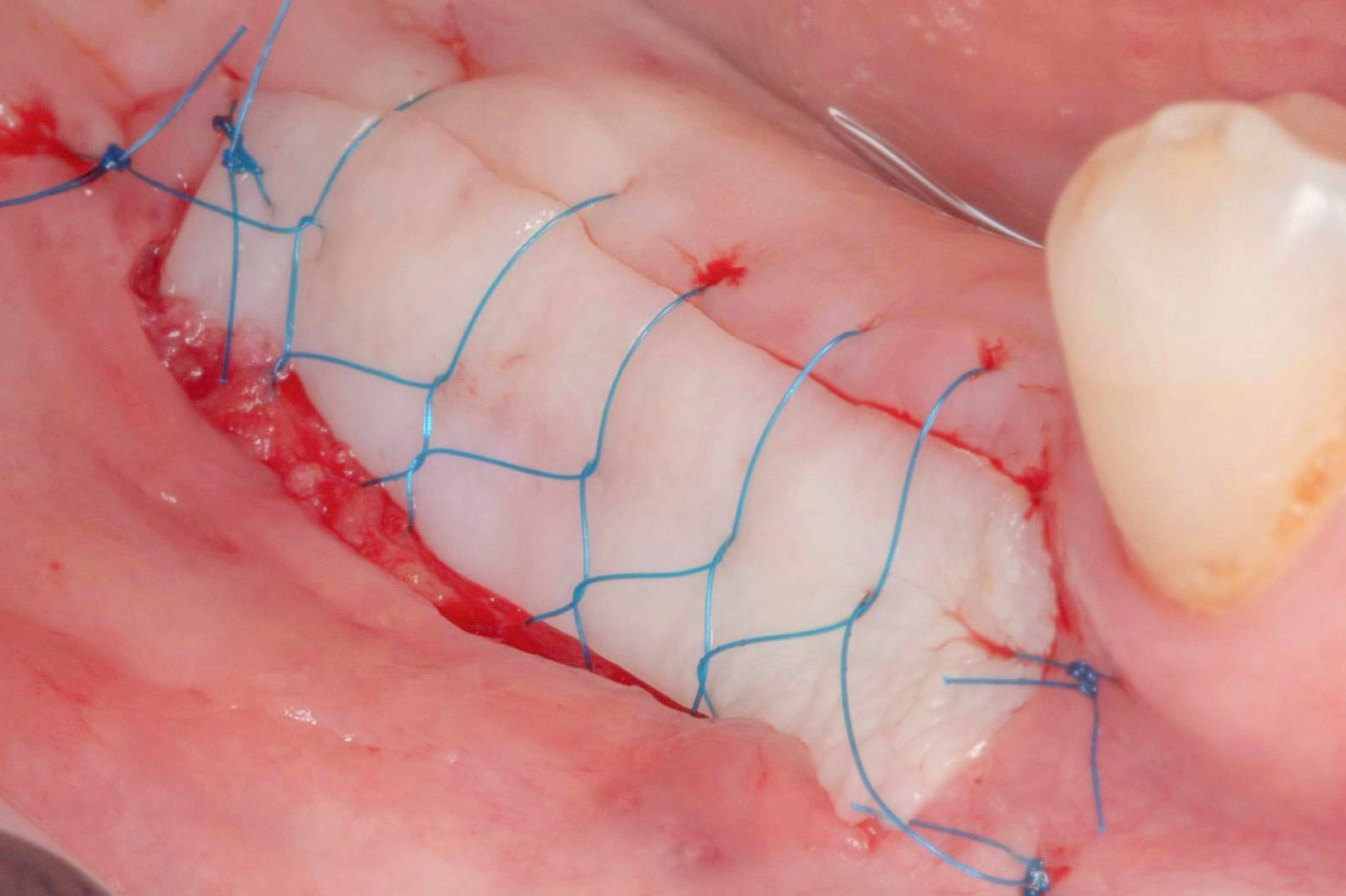
Through clinical cases, technical insights, and emerging concepts, thissession will challenge traditional paradigms and encourage clinicians torethink what is possible in mucogingival and peri-implant soft-tissue surgery.Fourth, we will introduce the Fishnet Suture, a novel microsuturing concept developed to enhance graft immobilization, tension distribution, and vascular integration.
"This session will challenge traditional paradigms and encourage clinicians to rethink what is possible in mucogingival and peri-implant soft-tissue surgery."
— Dr. Olivier Carcuac
Successful bone augmentation in compromised ridges is rarely defined by a single technique. It is the product of accurate diagnosis, sound biological foundations, an appropriately chosen reconstructive protocol, and the intelligent use of biomaterials to support regeneration. This session presents an integrated, digitally driven approach to bone augmentation that addresses each of these phases as part of a single, reproducible clinical workflow.
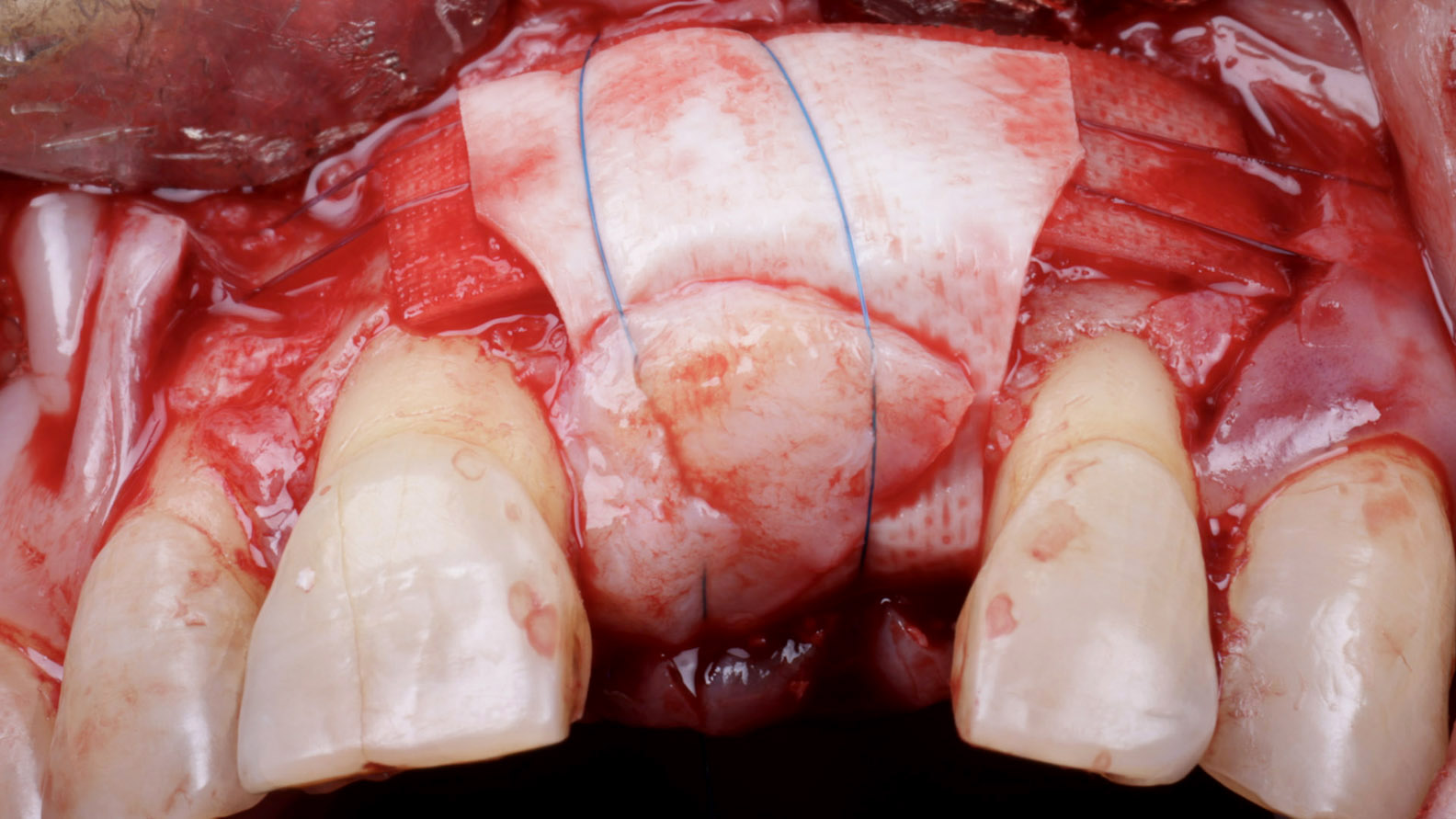
The lecture will be structured around four sequential domains of bone augmentation practice. First, we will examine defect analysis and digital treatment planning, including the use of CBCT data, intraoral scanning, and 3D printing to construct a digital avatar of the augmentation case. This digital foundation transforms how complex defects are evaluated, communicated, and reconstructed.
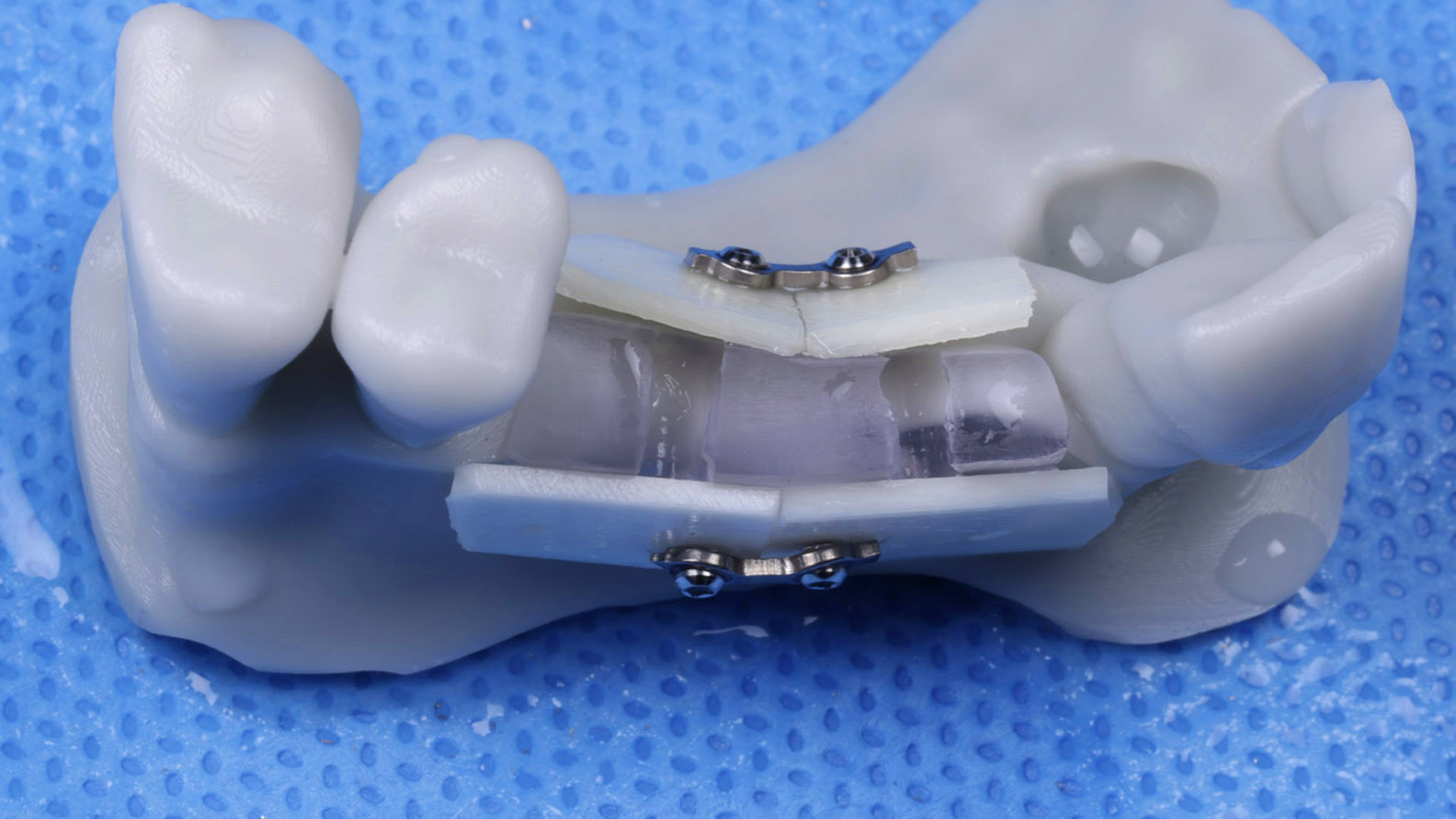
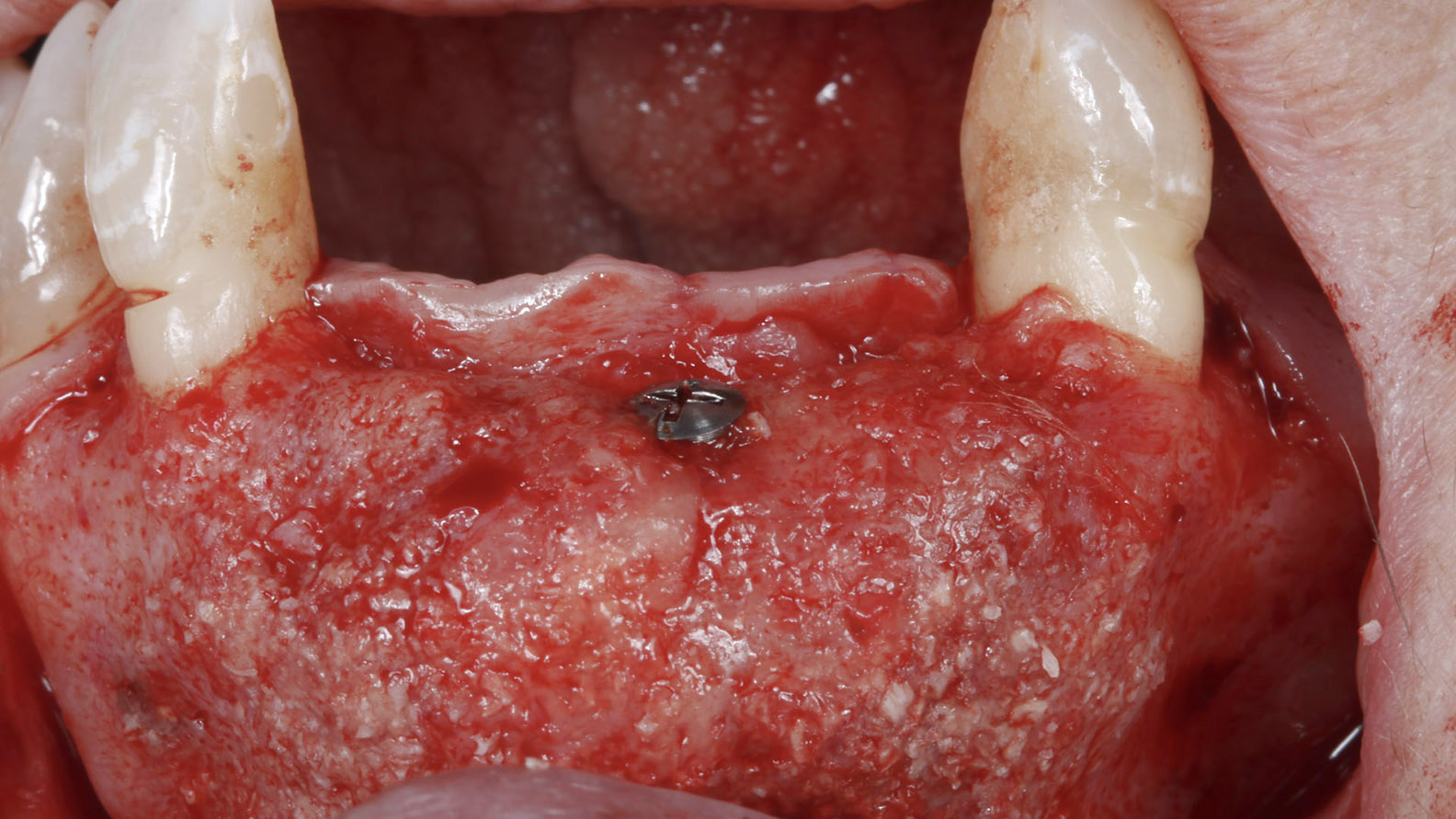
Second, we will revisit the foundational principles of bone regeneration — the biological requirements that remain constant regardless of technique or technology. Understanding these foundations is what allows the clinician to predict outcomes rather than hope for them, and to adapt protocols intelligently when cases deviate from the textbook.
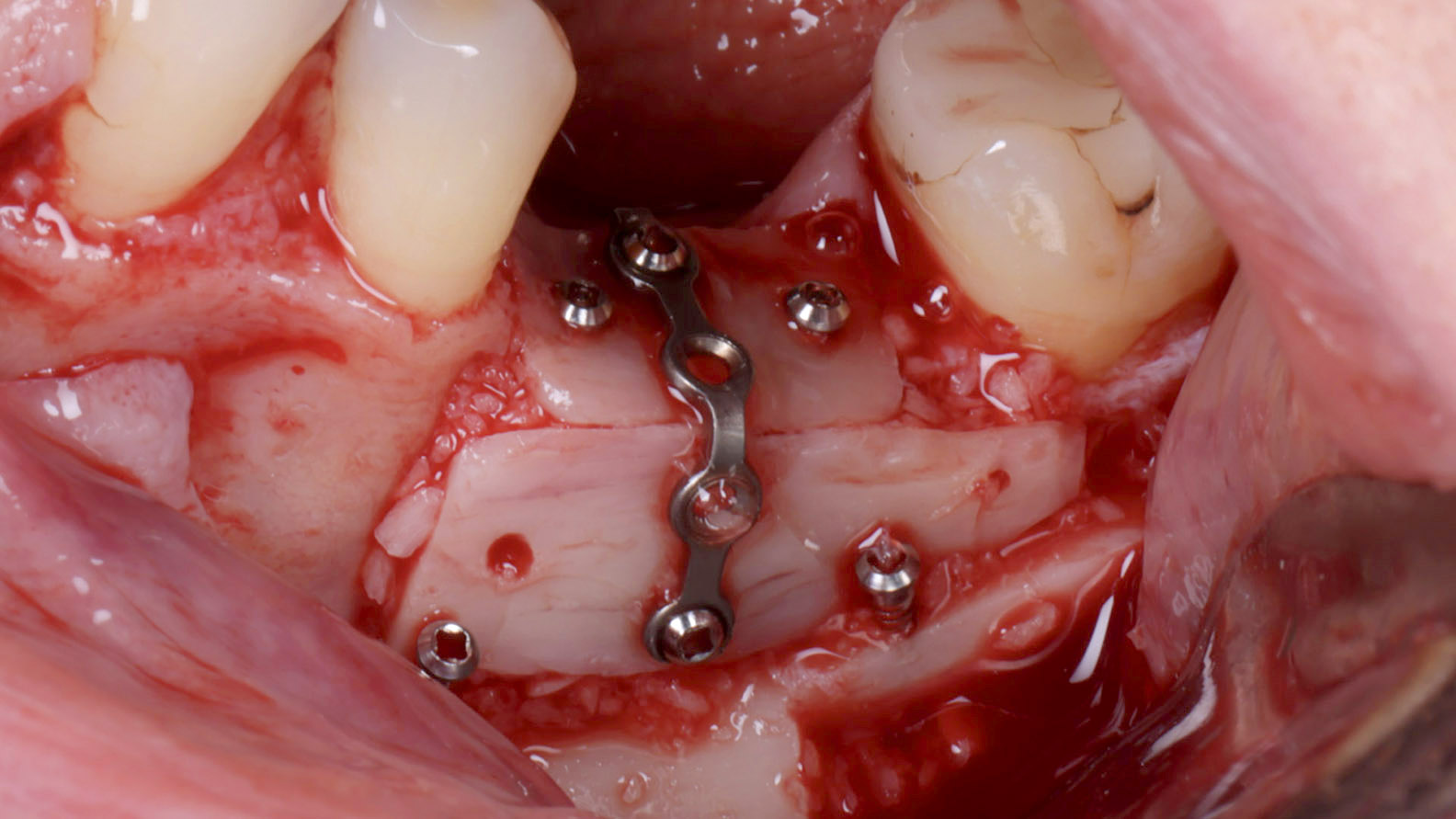
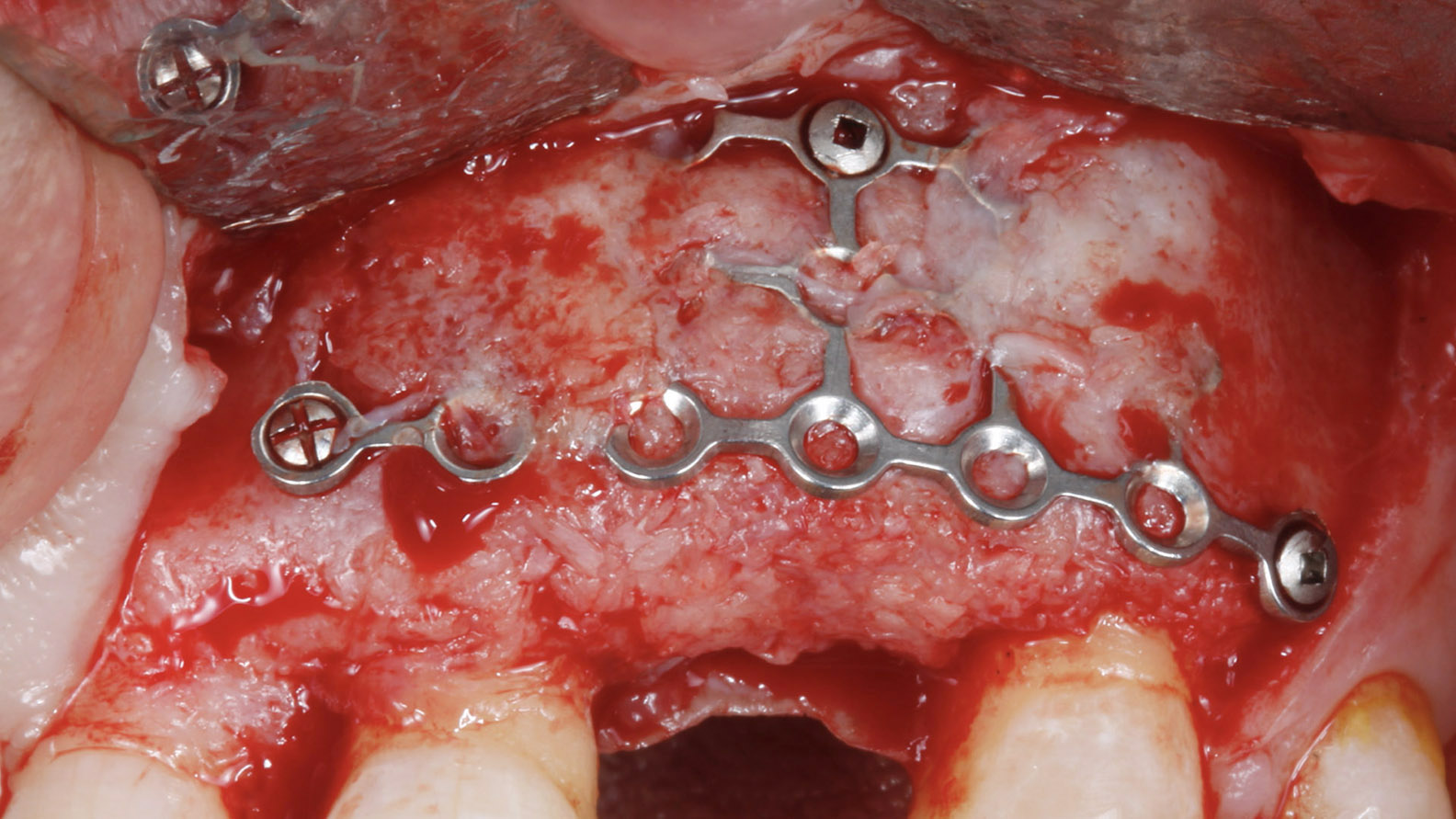
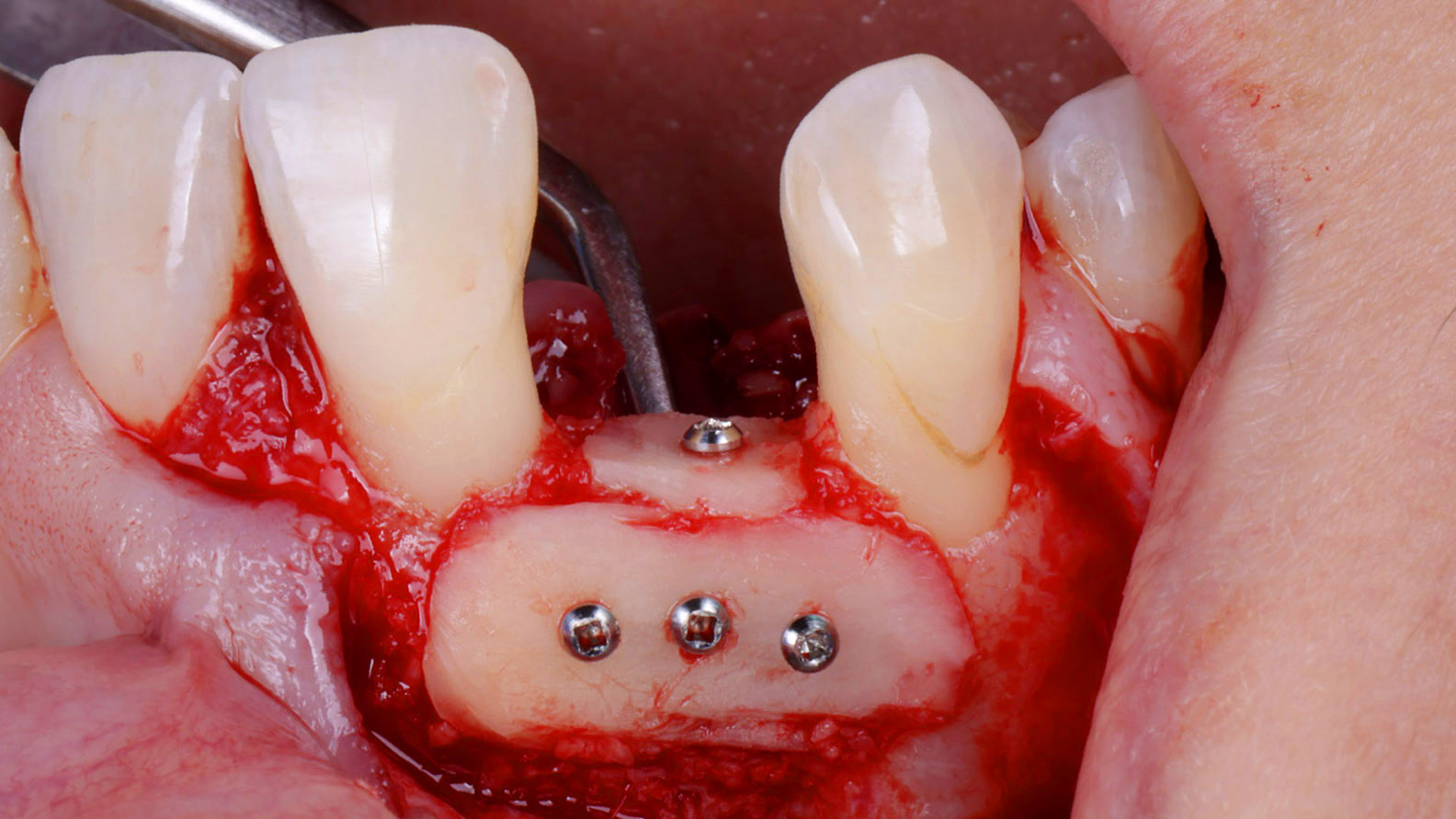
Third, the session will present innovative reconstructive protocols for complex defects, including the strategic use of space-maintaining devices such as tenting screws and microplates, autogenous bone reconstruction, cortical allograft plates, and the combination of bone plates with titanium plates to achieve true three-dimensional ridge reconstruction. This portion of the lecture will also introduce the Collagen Wall Technique, a novel protocol developed to simplify and improve predictability in defects where conventional containment strategies fall short.
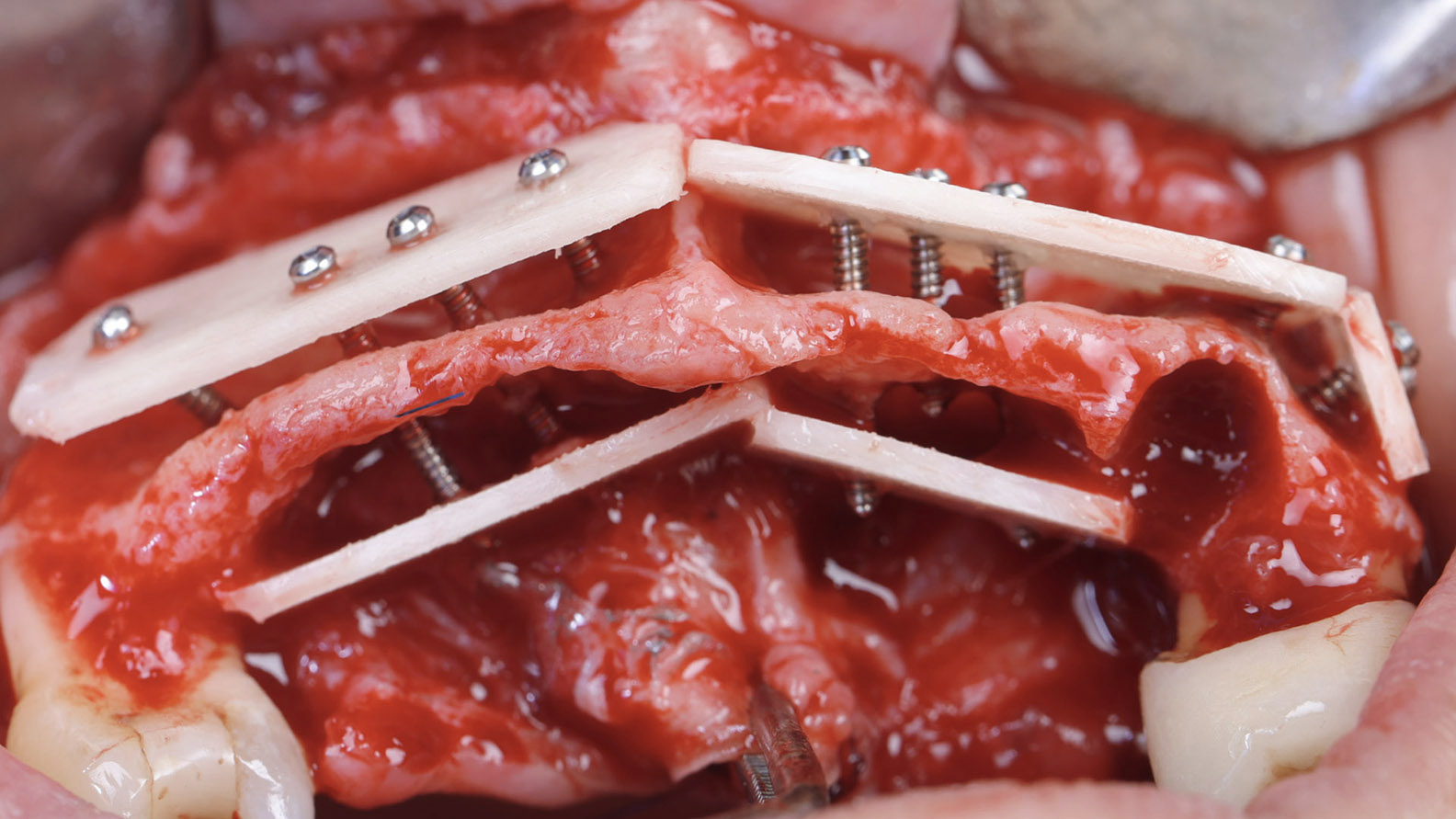
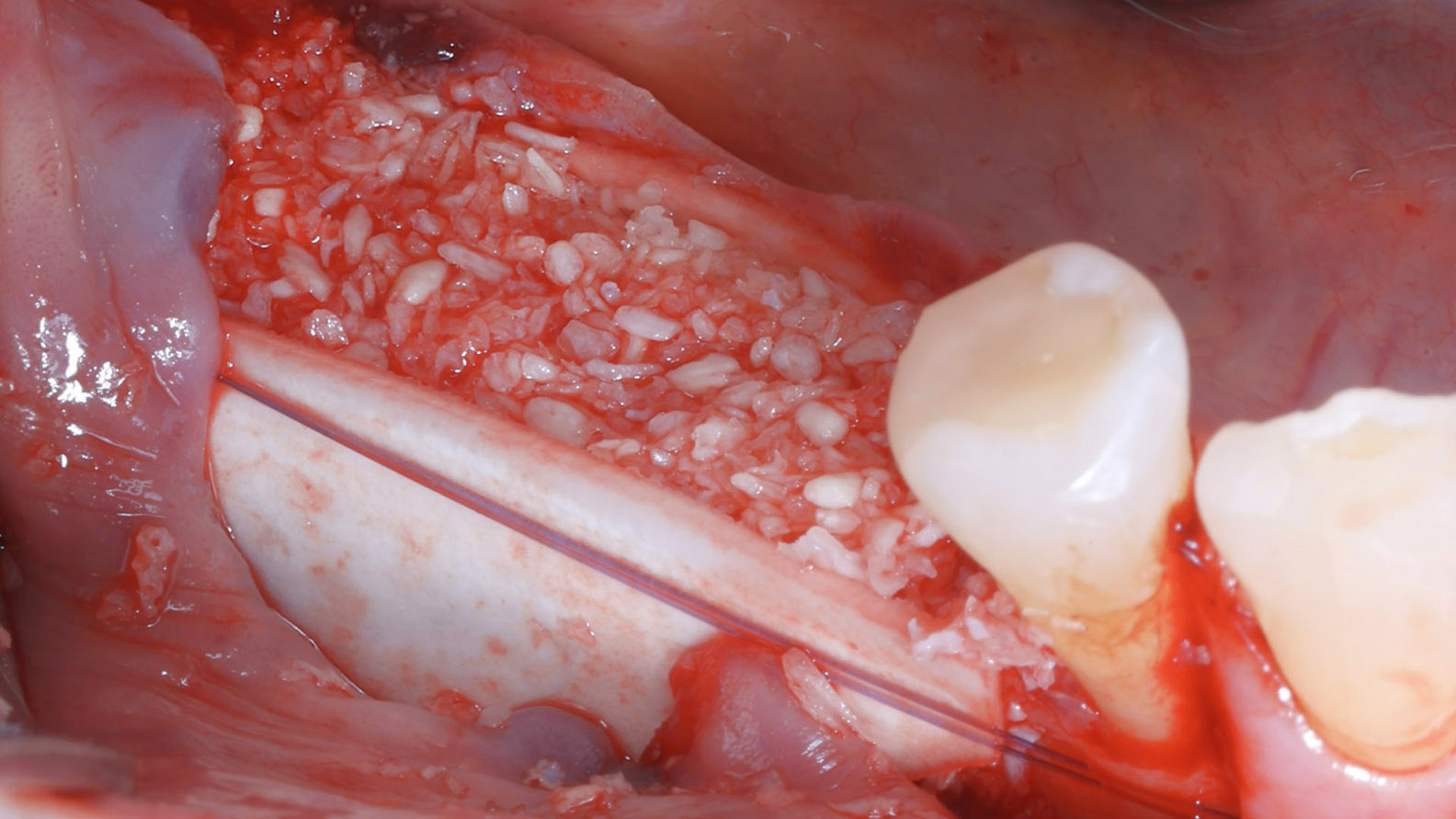
Fourth, we will examine the evolving role of biomaterials and bioactives in modern bone augmentation, including hyaluronic acid-infused grafts, PRF and PRP applications, GEM21-S growth factors, and the emerging Induce Oi-9 biomaterial. The emphasis will be on how to select and combine these materials biologically, not algorithmically.
"Bone augmentation is not about technique. It is about understanding the case so completely that the technique becomes obvious." — Dr. Naheed Mohamed
Date: TBD
Time: TBD
Location:
TBD
$4,400 + HST
17 CE Credits
